diff整个linux文件系统定位漏洞代码

漏洞信息:

Synology BeeStation OS (BSM) 1.1-65374 之前的版本以及 Synology DiskStation Manager (DSM) 7.2-64570-4、7.2.1-69057-6 和 7.2.2-72806-1 之前的版本中的系统插件守护程序中存在不正确的编码或输出转义漏洞,允许远程攻击者通过未指定的向量执行任意代码。

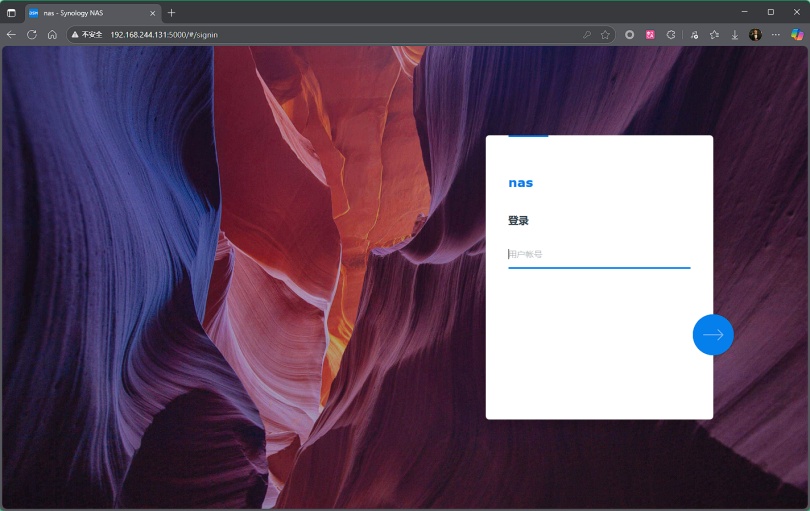
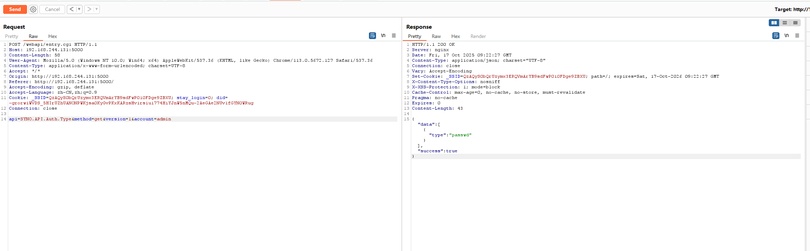
漏洞定位:抓包查看后

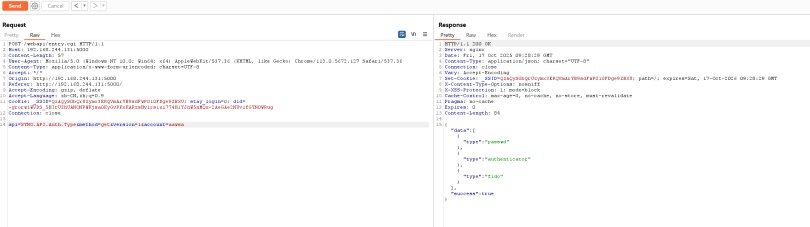
account字段,当输入一个不存在的用户名的时候,返回包会改变。

/webapi/entry.cgi

通过前后版本diff找到补丁修改代码

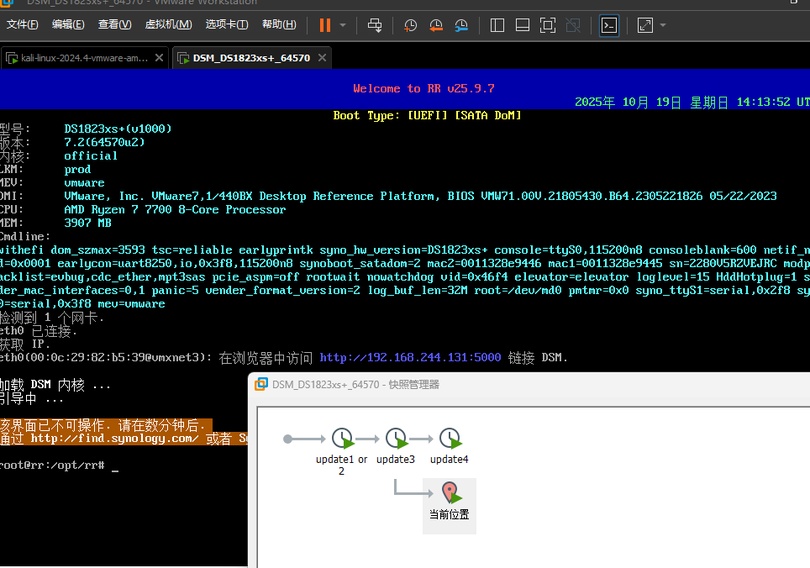
先收集两个版本的信息:

collect.sh

收集文件系统下(bin /config /etc /initrd /lib32 /lost+found /run /sys /tmpRoot /var /volume1 /boot /etc.defaults /lib /lib64 /root /sbin /tmp /usr /var.defaults)的全部文件信息,排除了(/proc /mnt /dev)目录

1
2
3
4
5
6
7
8
9
10
11
12
13
14
15
16
17
18
19
20
21
22
23
24
25
26
27
28
29
30
31
32
33
34
35
36
37
38
39
40
41
42
43
44
45
46
47
48
49
50
51
52
53
54
55
56
57
58
59
60
61
62
63
64
65
66
67
68
69
70
71
72
73
74
75
76
77
78
79
80
81
82
83
84
85
86
87
88
89
90
91
92
93
94
95
96
97
98
99
100
101
102
103
104
105
106
107
108
109
110
111
112
113
114
115
116
117
118
119
120
121
122
123
124
125
126
127
128
129
130
131
132
133
134
135
136
137
138
139
140
141
142
143
144
145
146
147
148
149
150
151
152
153
154
155
156
157
158
159
160
161
162
163
164
165
166
167
168
169
170
171
172
173
174
175
176
177
178
179
180
181
182
183
184
185
186
187
188
189
190
191
192
193
194
195
196
197
198
199
200
201
202
203
204
205
206
207
208
209
210
211
212
213
214
215
216
217
218
219
220
221
222
223
224
225
226
227
228
229
230
231
232
#!/usr/bin/env bash
# collect_minimal_for_diff.sh
# DSM-adapted minimal filesystem collector for patch diff.
# - Assumes: bash, dd (bs=1 count=4 ok), sha256sum present
# - No dependency on `strings`, `readelf`, `ss`, or busybox
#
# Usage:
# sudo ./collect_minimal_for_diff.sh <tag>
# Example:
# sudo ./collect_minimal_for_diff.sh vuln_20251019
#
# Output: /tmp/patch_collect_<tag>.tar.gz (scp this file to analysis host)
set -euo pipefail

if [ "$#" -lt 1 ]; then
echo "Usage: sudo $0 <tag>"
exit 2
fi

TAG="$1"
OUTDIR="/tmp/patch_collect_${TAG}"
MANIFEST="${OUTDIR}/manifest.csv"
ELF_DIR="${OUTDIR}/elf_info"
PACKFILE="/tmp/patch_collect_${TAG}.tar.gz"
LOG="${OUTDIR}/collect.log"

mkdir -p "${OUTDIR}"
mkdir -p "${ELF_DIR}"
: > "${LOG}"

echo "[*] Starting collection. Tag=${TAG}" | tee -a "${LOG}"
echo "[*] Output dir: ${OUTDIR}" | tee -a "${LOG}"

# === Adjusted ROOTS for DSM (tweak if you want to include/exclude) ===
ROOTS=(
/bin
/config
/etc
/initrd
/lib32
/lost+found
/run
/sys
/tmpRoot
/var
/volume1
/boot
/etc.defaults
/lib
/lib64
/root
/sbin
/tmp
/usr
/var.defaults
)

# Exclude prefixes to avoid noisy virtual filesystems or big mounts
EXCLUDE_PREFIXES=( /proc /mnt /dev)

# Hash command (sha256sum expected)
if command -v sha256sum >/dev/null 2>&1; then
HASHCMD="sha256sum"
elif command -v md5sum >/dev/null 2>&1; then
HASHCMD="md5sum"
else
HASHCMD=""
fi

# manifest header
echo "path|mode|uidgid|size|mtime|hash|nature" > "${MANIFEST}"

# helper: check exclusion
is_excluded() {
local p="$1"
for pref in "${EXCLUDE_PREFIXES[@]}"; do
if [[ "$p" == "$pref"* ]]; then
return 0
fi
done
return 1
}

# helper: read first N bytes (prefers dd, falls back to head)
read_head_bytes() {
local file="$1"
local n="$2"
# attempt dd
if dd if="$file" bs=1 count="$n" 2>/dev/null | od -An -t x1 | grep -q .; then
dd if="$file" bs=1 count="$n" 2>/dev/null
return 0
fi
# fallback head
if head -c "$n" "$file" 2>/dev/null | od -An -t x1 | grep -q .; then
head -c "$n" "$file" 2>/dev/null
return 0
fi
return 1
}

# helper: check ELF magic
is_elf_by_magic() {
local f="$1"
if read_head_bytes "$f" 4 2>/dev/null | od -An -t x1 | tr -s ' ' | sed 's/^ *//' | grep -qi '^7f 45 4c 46'; then
return 0
fi
return 1
}

# helper: extract printable strings from first N bytes (approx strings, length >= minlen)
extract_printables_head() {
local f="$1"
local out="$2"
local n=${3:-4096}
local minlen=${4:-8}
# read N bytes, keep printable ASCII (tab/newline/CR and 0x20-0x7E)
read_head_bytes "$f" "$n" 2>/dev/null | tr -cd '\11\12\15\40-\176' | \
awk -v minlen="$minlen" '
{
line=$0
# break by non-word-ish boundaries, but keep punctuation
n=split(line, a, /[^[:alnum:][:punct:]]/)
for(i=1;i<=n;i++){
if(length(a[i])>=minlen) print a[i]
}
}' | sed -n '1,1000p' > "$out" 2>/dev/null || true
}

# iterate roots
for root in "${ROOTS[@]}"; do
if [ ! -e "$root" ]; then
echo "[!] skip missing root: $root" | tee -a "${LOG}"
continue
fi

# find files and symlinks (avoid following mounts via -xdev)
find "$root" -xdev \( -type f -o -type l \) -print0 2>/dev/null | while IFS= read -r -d '' f; do
# skip excluded prefixes
if is_excluded "$f"; then
continue
fi

# gather stat
if stat_out=$(stat -c '%a|%u:%g|%s|%Y' -- "$f" 2>/dev/null); then
mode=$(echo "$stat_out" | cut -d'|' -f1)
uidgid=$(echo "$stat_out" | cut -d'|' -f2)
size=$(echo "$stat_out" | cut -d'|' -f3)
mtime=$(echo "$stat_out" | cut -d'|' -f4)
else
mode=""
uidgid=""
size=""
mtime=""
fi

hashval=""
if [ -f "$f" ] && [ -n "$HASHCMD" ]; then
# compute hash, ignore errors
if h=$($HASHCMD --binary -- "$f" 2>/dev/null | awk '{print $1}'); then
hashval="$h"
fi
elif [ -L "$f" ]; then
target=$(readlink -m -- "$f" 2>/dev/null || echo "")
hashval="symlink->${target}"
fi

# Determine nature: text/binary/symlink/elf
nature="unknown"
if [ -L "$f" ]; then
nature="symlink"
elif [ -f "$f" ]; then
# quick binary test: presence of NUL char
if grep -q $'\x00' "$f" 2>/dev/null; then
nature="binary"
else
nature="text"
fi
fi

# If ELF by magic, produce head + strings + hex
if [ -f "$f" ] && is_elf_by_magic "$f"; then
nature="elf"
safe=$(echo "$f" | sed 's/[^A-Za-z0-9._-]/_/g')
outbase="${ELF_DIR}/${safe}"
mkdir -p "$(dirname "$outbase")"
# head binary
if read_head_bytes "$f" 4096 >/dev/null 2>&1; then
read_head_bytes "$f" 4096 > "${outbase}.head.bin" 2>/dev/null || true
fi
# hexdump of head
if [ -f "${outbase}.head.bin" ]; then
od -An -tx1 "${outbase}.head.bin" > "${outbase}.head.hex" 2>/dev/null || true
fi
# extract printable-like strings from head
extract_printables_head "$f" "${outbase}.strings.txt" 4096 8
fi

# write manifest line (escape '|' in path)
esc_path=$(printf "%s" "$f" | sed 's/|/\\|/g')
printf "%s|%s|%s|%s|%s|%s|%s\n" "$esc_path" "$mode" "$uidgid" "$size" "$mtime" "${hashval}" "$nature" >> "${MANIFEST}"
done
done

# capture process list
if command -v ps >/dev/null 2>&1; then
ps -ef > "${OUTDIR}/ps_list.txt" 2>/dev/null || true
fi

# capture network info: prefer ss, else /proc/net/*
if command -v ss >/dev/null 2>&1; then
ss -ltnp > "${OUTDIR}/ss_list.txt" 2>/dev/null || true
else
[ -f /proc/net/tcp ] && cp /proc/net/tcp "${OUTDIR}/proc_net_tcp.txt" 2>/dev/null || true
[ -f /proc/net/udp ] && cp /proc/net/udp "${OUTDIR}/proc_net_udp.txt" 2>/dev/null || true
[ -f /proc/net/raw ] && cp /proc/net/raw "${OUTDIR}/proc_net_raw.txt" 2>/dev/null || true
fi

# package manager inventory
if command -v dpkg >/dev/null 2>&1; then
dpkg -l > "${OUTDIR}/dpkg_list.txt" 2>/dev/null || true
fi
if command -v synopkg >/dev/null 2>&1; then
synopkg list > "${OUTDIR}/synopkg_list.txt" 2>/dev/null || true
fi

echo "[*] Packaging results into ${PACKFILE} ..." | tee -a "${LOG}"
tar -czf "${PACKFILE}" -C /tmp "$(basename "${OUTDIR}")"
echo "[*] Done. Tarball: ${PACKFILE}" | tee -a "${LOG}"
echo "If you want to scp it to the analysis host, run on host:"
echo " scp root@<DSM_IP>:${PACKFILE} ~/analysis/"

exit 0

sudo vim collect_safe.sh

chmod 777 collect_safe.sh

sudo /root/collect_safe.sh safe

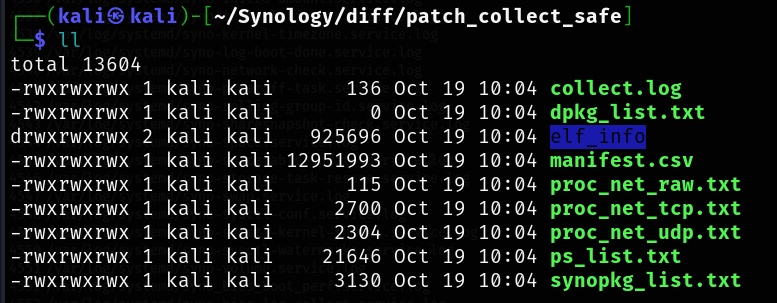
收集示例:

manifest.csv示例:

包含文件的:路径、权限、组、大小、hash、类型

1
2
3
4
5
/var.defaults/lib/disk-compatibility/ds1823xs+_m2d20_v7.release|644|0:0|8|1685730637|1d96fbad469a23b15b3bda67d19da834ae7b90e934605430237f02d410566a82|binary
/var.defaults/lib/disk-compatibility/rx1223rp_v7.db|644|0:0|14969|1685730637|9710d05c1ab9ba59f3d572c76d458c2726ac64f13cc7bd274f28f1c6bcf06224|binary
/var.defaults/lib/drive/dsm_connect_state.json|644|0:0|47|1685675658|3754eb706f06f839fa3149dda4c893f01c67474740bcab42982b0eb6392d766f|binary
/var.defaults/lib/temperature/disk_temperature.version|644|0:0|3|1685730637|b8aed072d29403ece56ae9641638ddd50d420f950bde0eefc092ee8879554141|binary
/var.defaults/lib/temperature/disk_temperature.xml|644|0:0|24547|1685730637|9b12344ec0cf699e5a923b0c7953662651c37738cb779ac503f4b9c0980343a6|binary

漏洞版本条目:84468

安全版本条目:85068

收集了两个版本的文件后做diff

analyze.sh

1
2
3
4
5
6
7
8
9
10
11
12
13
14
15
16
17
18
19
20
21
22
23
24
25
26
27
28
29
30
31
32
33
34
35
36
37
38
39
40
41
42
43
44
45
46
47
48
49
50
51
52
53
54
55
56
57
58
59
60
61
62
63
64
65
66
67
68
69
70
71
72
73
74
75
76
77
78
79
80
81
82
83
84
85
86
87
88
89
90
91
92
93
94
95
96
97
98
99
100
101
102
103
104
105
106
107
108
109
110
111
112
113
114
115
116
117
118
119
120
121
122
123
124
125
126
127
128
129
130
131
132
133
134
135
136
137
138
139
140
141
142
143
144
145
146
147
148
149
150
151
152
153
154
155
156
157
158
159
160
161
162
163
164
165
166
167
168
169
170
171
172
173
174
175
176
177
178
179
180
181
182
183
184
185
186
187
188
189
190
191
192
193
194
195
196
197
198
199
200
201
202
203
204
205
206
207
208
209
210
211
212
213
214
215
216
217
218
219
220
221
222
223
224
225
226
227
228
229
230
231
232
233
234
235
236
237
238
239
240
241
242
243
244
245
246
247
248
249
250
251
252
253
254
255
256
257
258
259
260
261
262
263
264
265
266
267
268
269
270
271
272
273
274
275
276
277
278
279
280
281
282
283
284
285
286
287
288
289
290
291
292
293
#!/usr/bin/env bash
# analyze_patch_dsm.sh - flexible: accepts either extracted collector directories or tarballs
# Usage:
# ./analyze_patch_dsm.sh VULN_DIR_OR_TARBALL PATCHED_DIR_OR_TARBALL OUTDIR
#
# Behavior:
# - If first two args are directories containing manifest.csv, use them directly (no extraction).
# - Otherwise treat them as tar.gz and extract into workdir.
#
set -euo pipefail
IFS=$'\n\t'
export LC_ALL=C

if [ "$#" -ne 3 ]; then
echo "Usage: $0 VULN_DIR_OR_TARBALL PATCHED_DIR_OR_TARBALL OUTPUT_DIR"
exit 2
fi

A="$1"
B="$2"
OUTDIR="$3"

# Ensure PATH includes common locations where diffoscope may live
export PATH="$PATH:/usr/local/bin:/usr/bin:/bin:/usr/sbin:/sbin:/snap/bin:/home/$USER/.local/bin"

WORK="$OUTDIR/work"
REPORT="$OUTDIR/report"
mkdir -p "$WORK" "$REPORT"

# Helper: check if path is directory containing manifest.csv
is_extracted_dir() {
local d="$1"
[ -d "$d" ] && [ -f "$d/manifest.csv" ]
}

# Prepare V_TOP and P_TOP
if is_extracted_dir "$A" && is_extracted_dir "$B"; then
echo "[*] Both arguments are directories with manifest.csv; using them directly."
V_TOP="$(cd "$A" && pwd -P)"
P_TOP="$(cd "$B" && pwd -P)"
else
# treat as tarballs, extract into work
echo "[*] Treating inputs as tarballs; extracting into $WORK ..."
rm -rf "$WORK"/*
mkdir -p "$WORK/v" "$WORK/p"
tar -xzf "$A" -C "$WORK/v"
tar -xzf "$B" -C "$WORK/p"
# find extracted top dirs
V_TOP=$(find "$WORK/v" -maxdepth 2 -type d -name "patch_collect_*" | head -n1 || true)
P_TOP=$(find "$WORK/p" -maxdepth 2 -type d -name "patch_collect_*" | head -n1 || true)
if [ -z "$V_TOP" ] || [ -z "$P_TOP" ]; then
echo "[!] Could not find extracted patch_collect_* directories under $WORK"
echo " Check that the tarballs contain top-level patch_collect_* directories or pass exploded directories instead."
exit 3
fi
fi

echo "[*] vuln top: $V_TOP"
echo "[*] patched top: $P_TOP"

V_MANIFEST="$V_TOP/manifest.csv"
P_MANIFEST="$P_TOP/manifest.csv"
if [ ! -f "$V_MANIFEST" ] || [ ! -f "$P_MANIFEST" ]; then
echo "[!] manifest.csv missing in one of the inputs:"
echo " V_MANIFEST=$V_MANIFEST"
echo " P_MANIFEST=$P_MANIFEST"
exit 4
fi

# Prepare working manifest copies
cp "$V_MANIFEST" "$WORK/vuln_manifest.csv"
cp "$P_MANIFEST" "$WORK/patched_manifest.csv"

# Drop header and normalize CRLF
tail -n +2 "$WORK/vuln_manifest.csv" | sed 's/\r$//' > "$WORK/vuln_manifest.raw"
tail -n +2 "$WORK/patched_manifest.csv" | sed 's/\r$//' > "$WORK/patched_manifest.raw"

# Extract path lists (unescape '|' if present)
awk -F'|' '{print $1}' "$WORK/vuln_manifest.raw" | sed 's/\\|/|/g' | sed 's/\r$//' | sort -u -t'|' -k1,1 > "$WORK/vuln_files.txt"
awk -F'|' '{print $1}' "$WORK/patched_manifest.raw" | sed 's/\\|/|/g' | sed 's/\r$//' | sort -u -t'|' -k1,1 > "$WORK/patched_files.txt"

# Added / removed / common (use LC_ALL=C for deterministic ordering)
comm -23 "$WORK/vuln_files.txt" "$WORK/patched_files.txt" > "$REPORT/removed_files.txt" || true
comm -13 "$WORK/vuln_files.txt" "$WORK/patched_files.txt" > "$REPORT/added_files.txt" || true
comm -12 "$WORK/vuln_files.txt" "$WORK/patched_files.txt" > "$WORK/common_files.txt" || true

# Build path -> hash map (manifest format: path|mode|uidgid|size|mtime|hash|nature)
awk -F'|' '{print $1 "|" $6}' "$WORK/vuln_manifest.raw" > "$WORK/vuln_path_sha.txt"
awk -F'|' '{print $1 "|" $6}' "$WORK/patched_manifest.raw" > "$WORK/patched_path_sha.txt"

# sort by path robustly (first field)
sort -t'|' -k1,1 "$WORK/vuln_path_sha.txt" -o "$WORK/vuln_path_sha.sorted" || true
sort -t'|' -k1,1 "$WORK/patched_path_sha.txt" -o "$WORK/patched_path_sha.sorted" || true

# join entries; allow join to fail gracefully
join -t'|' -j1 "$WORK/vuln_path_sha.sorted" "$WORK/patched_path_sha.sorted" > "$WORK/joined_sha.txt" 2>/dev/null || true

# modified by hash (or missing)
awk -F'|' '{
path=$1; v=$2; p=$3;
if(v=="" && p=="") next;
if(v != p) print path
}' "$WORK/joined_sha.txt" > "$REPORT/modified_files.txt" || true

# Fallback: compare size if hash missing
awk -F'|' '{print $1 "|" $4}' "$WORK/vuln_manifest.raw" > "$WORK/vuln_path_size.txt"
awk -F'|' '{print $1 "|" $4}' "$WORK/patched_manifest.raw" > "$WORK/patched_path_size.txt"
sort -t'|' -k1,1 "$WORK/vuln_path_size.txt" -o "$WORK/vuln_path_size.sorted" || true
sort -t'|' -k1,1 "$WORK/patched_path_size.txt" -o "$WORK/patched_path_size.sorted" || true
join -t'|' -j1 "$WORK/vuln_path_size.sorted" "$WORK/patched_path_size.sorted" > "$WORK/joined_size.txt" 2>/dev/null || true
awk -F'|' '{ if($2 != $3) print $1 }' "$WORK/joined_size.txt" >> "$REPORT/modified_files.txt" || true

# Ensure modified list unique and present
if [ -f "$REPORT/modified_files.txt" ]; then
sort -u "$REPORT/modified_files.txt" -o "$REPORT/modified_files.txt" || true
else
touch "$REPORT/modified_files.txt"
fi

# Counts summary
echo "Vuln source: $A" > "$REPORT/summary.txt"
echo "Patched source: $B" >> "$REPORT/summary.txt"
echo "Added: $(wc -l < "$REPORT/added_files.txt" 2>/dev/null || echo 0)" >> "$REPORT/summary.txt"
echo "Removed: $(wc -l < "$REPORT/removed_files.txt" 2>/dev/null || echo 0)" >> "$REPORT/summary.txt"
echo "Modified: $(wc -l < "$REPORT/modified_files.txt" 2>/dev/null || echo 0)" >> "$REPORT/summary.txt"

# Keywords for suspect scoring (extendable)
KEYWORDS="account|Auth|entry.cgi|getenv|setenv|system|popen|exec|sprintf|snprintf|passwd|authenticator|sanitize|escape"

# Robust diffoscope detection: allow override via DIFFOSCOPE_BIN env var
DIFFOSCOPE_BIN="${DIFFOSCOPE_BIN:-$(command -v diffoscope 2>/dev/null || true)}"
if [ -z "$DIFFOSCOPE_BIN" ] && [ -x "/home/$USER/.local/bin/diffoscope" ]; then
DIFFOSCOPE_BIN="/home/$USER/.local/bin/diffoscope"
fi
if [ -z "$DIFFOSCOPE_BIN" ] && [ -x "/usr/local/bin/diffoscope" ]; then
DIFFOSCOPE_BIN="/usr/local/bin/diffoscope"
fi
if [ -z "$DIFFOSCOPE_BIN" ] && [ -x "/snap/bin/diffoscope" ]; then
DIFFOSCOPE_BIN="/snap/bin/diffoscope"
fi

if [ -n "$DIFFOSCOPE_BIN" ]; then
echo "[*] diffoscope found: $DIFFOSCOPE_BIN"
USE_DIFFOSCOPE=1
else
echo "[*] diffoscope not found in PATH; fallback to head.bin/strings comparison"
USE_DIFFOSCOPE=0
fi

# Prepare output folders
mkdir -p "$REPORT/diffoscope" "$REPORT/elf_head_diff" "$REPORT/strings_diff"

# helper to resolve manifest path into extracted file path
real_path_in_extract() {
local top="$1"
local rel="$2"
# prefer top+rel (rel often starts with '/')
if [ -n "$rel" ] && [ -e "${top}${rel}" ]; then
printf "%s" "${top}${rel}"
return 0
fi
# try trim leading slash
if [ -n "$rel" ] && [ -e "${top}/${rel#/}" ]; then
printf "%s" "${top}/${rel#/}"
return 0
fi
# fallback return constructed path
printf "%s" "${top}${rel}"
return 0
}

declare -A suspect_score

# Iterate over modified files
while IFS= read -r rel || [ -n "$rel" ]; do
rel=$(printf "%s" "$rel" | sed 's/\r$//')
[ -z "$rel" ] && continue

# find manifest entries if available
v_entry=$(awk -F'|' -v p="$rel" '$1==p{print $0; exit}' "$WORK/vuln_manifest.raw" || true)
p_entry=$(awk -F'|' -v p="$rel" '$1==p{print $0; exit}' "$WORK/patched_manifest.raw" || true)
# fallback attempt with trimmed leading slash
if [ -z "$v_entry" ]; then
v_entry=$(awk -F'|' -v p="${rel#/}" '$1==("/"p){print $0; exit}' "$WORK/vuln_manifest.raw" || true)
fi
if [ -z "$p_entry" ]; then
p_entry=$(awk -F'|' -v p="${rel#/}" '$1==("/"p){print $0; exit}' "$WORK/patched_manifest.raw" || true)
fi

vpath=$(printf "%s" "$v_entry" | awk -F'|' '{print $1}' || true)
ppath=$(printf "%s" "$p_entry" | awk -F'|' '{print $1}' || true)
vpath=${vpath:-$rel}
ppath=${ppath:-$rel}

vfull=$(real_path_in_extract "$V_TOP" "$vpath")
pfull=$(real_path_in_extract "$P_TOP" "$ppath")

safe_name=$(echo "$rel" | sed 's/[^A-Za-z0-9._-]/_/g')

# If diffoscope available, run it (non-fatal)
if [ "$USE_DIFFOSCOPE" -eq 1 ]; then
out_html="$REPORT/diffoscope/${safe_name}.html"
echo "[*] diffoscope: comparing $vfull vs $pfull -> $out_html"
"$DIFFOSCOPE_BIN" --html "$out_html" "$vfull" "$pfull" >/dev/null 2>&1 || echo "[!] diffoscope failed on $rel (continuing)"
fi

# ELF head compare: collector saved head bins in elf_info/<safe>.head.bin
vuln_head="$V_TOP/elf_info/${safe_name}.head.bin"
patched_head="$P_TOP/elf_info/${safe_name}.head.bin"
vuln_strings="$V_TOP/elf_info/${safe_name}.strings.txt"
patched_strings="$P_TOP/elf_info/${safe_name}.strings.txt"

if [ -f "$vuln_head" ] || [ -f "$patched_head" ]; then
echo "[*] head compare for $rel"
outdir="$REPORT/elf_head_diff/${safe_name}"
mkdir -p "$outdir"
[ -f "$vuln_head" ] && cp "$vuln_head" "$outdir/vuln.head.bin"
[ -f "$patched_head" ] && cp "$patched_head" "$outdir/patched.head.bin"
# produce hex previews
if [ -f "$outdir/vuln.head.bin" ]; then
xxd -g 1 "$outdir/vuln.head.bin" | sed -n '1,200p' > "$outdir/vuln.head.hex" || true
fi
if [ -f "$outdir/patched.head.bin" ]; then
xxd -g 1 "$outdir/patched.head.bin" | sed -n '1,200p' > "$outdir/patched.head.hex" || true
fi
if [ -f "$outdir/vuln.head.bin" ] && [ -f "$outdir/patched.head.bin" ]; then
if cmp -s "$outdir/vuln.head.bin" "$outdir/patched.head.bin"; then
echo "HEAD_IDENTICAL" > "$outdir/head_cmp.txt"
else
echo "HEAD_DIFFER" > "$outdir/head_cmp.txt"
fi
fi

# prepare strings fallback (may be empty files)
if [ -f "$vuln_strings" ]; then cp "$vuln_strings" "$outdir/vuln.strings.txt"; else touch "$outdir/vuln.strings.txt"; fi
if [ -f "$patched_strings" ]; then cp "$patched_strings" "$outdir/patched.strings.txt"; else touch "$outdir/patched.strings.txt"; fi

# produce small comm diff of printable strings (first 200 lines)
comm -3 <(sort -u "$outdir/vuln.strings.txt") <(sort -u "$outdir/patched.strings.txt") > "$outdir/strings_comm3.txt" 2>/dev/null || true
head -n 200 "$outdir/strings_comm3.txt" > "$outdir/strings_diff.txt" 2>/dev/null || true

# keyword scoring (safe numeric defaults)
kcount_vuln=0
kcount_patch=0
if [ -s "$outdir/vuln.strings.txt" ]; then
kcount_vuln=$(grep -Eio "$KEYWORDS" "$outdir/vuln.strings.txt" | wc -l || true)
fi
if [ -s "$outdir/patched.strings.txt" ]; then
kcount_patch=$(grep -Eio "$KEYWORDS" "$outdir/patched.strings.txt" | wc -l || true)
fi
kcount_vuln=${kcount_vuln:-0}
kcount_patch=${kcount_patch:-0}
total_k=$((kcount_vuln + kcount_patch))
suspect_score["$rel"]=$total_k
fi

done < "$REPORT/modified_files.txt"

# write top suspects sorted by score
{
echo "Top suspects (score file path)"
for k in "${!suspect_score[@]}"; do
echo -e "${suspect_score[$k]}\t$k"
done | sort -rn -k1,1
} > "$REPORT/top_suspects.txt"

# produce index.html
cat > "$REPORT/index.html" <<'HTML'
<html>
<head><meta charset="utf-8"><title>Patch Diff Report</title></head>
<body>
<h1>Patch Diff Report</h1>
<ul>
<li><a href="summary.txt">summary.txt</a></li>
<li><a href="added_files.txt">added_files.txt</a></li>
<li><a href="removed_files.txt">removed_files.txt</a></li>
<li><a href="modified_files.txt">modified_files.txt</a></li>
<li><a href="top_suspects.txt">top_suspects.txt</a></li>
</ul>
<hr>
<p>Per-file artifacts are in elf_head_diff/ and diffoscope/ (if generated)</p>
</body></html>
HTML

# copy lists to report dir (idempotent)
for f in summary added_files removed_files modified_files top_suspects; do
src="$REPORT/${f}.txt"
# ensure created
[ -f "$REPORT/${f}.txt" ] || touch "$REPORT/${f}.txt"
done

echo "[*] Analysis complete. Report directory: $REPORT"
echo "[*] Open $REPORT/index.html or inspect $REPORT/top_suspects.txt"
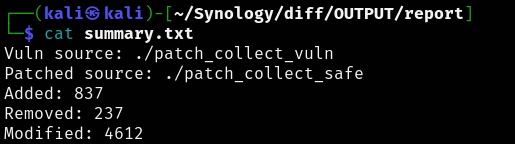
匹配思路:

第一阶段通过comm和join做集合运算:

添加的文件:safe版本中有vuln版本中没有

删除的文件:safe版本中没有vuln版本中有

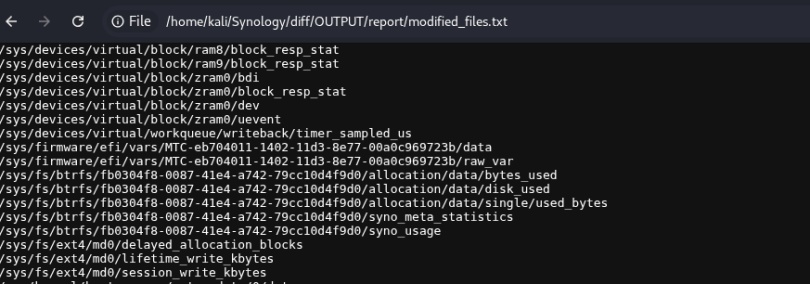
修改的文件:相同路径下的sha256是否发生改变

虽然修改的文件很多,但是有很多无关的文件,比如linux文件夹下.开头的隐藏文件,/run目录下的运行文件,链接文件等

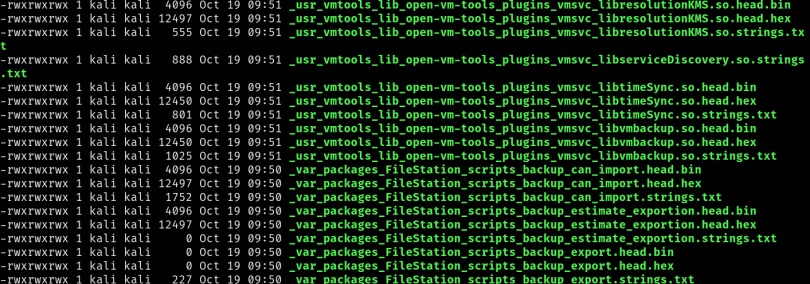
第二阶段通过对比 collect 收集的前4kb的elf文件头(匹配范围是modified中的文件)

收集的elf示例:

vuln版本elf_info文件个数:11490

safe版本elf_info文件个数:11580

第三阶段使用diffoscope进行深度的文件对比(函数级)

在这个阶段会使用 diffoscope 对比相对目录下的两个文件


diff整个linux文件系统定位漏洞代码
https://jimi-lab.github.io/2025/12/01/diff整个linux文件系统定位漏洞代码/
作者
Jimi
发布于
2025年12月1日
许可协议